

Thermal Imaging Scanning
Thermal imaging scanning uses an infrared camera to read surface temperatures across floors and walls.
Home › Services › Acoustic Slab Leak Detection
Acoustic slab leak detection finds leaks under a concrete slab by listening for them. A pressurised water line that is leaking under concrete makes a distinct hiss or spray sound, and sensitive ground microphones and listening discs amplify that sound through the slab so a provider can mark the loudest point — usually where the break is — before anything is opened.
This service is one part of how providers deliver slab leak detection in Plant City: it answers a specific question about your plumbing, and its result decides what — if anything — needs to happen next. If you are ready to book, call 123456789 and mention the signs you have noticed.
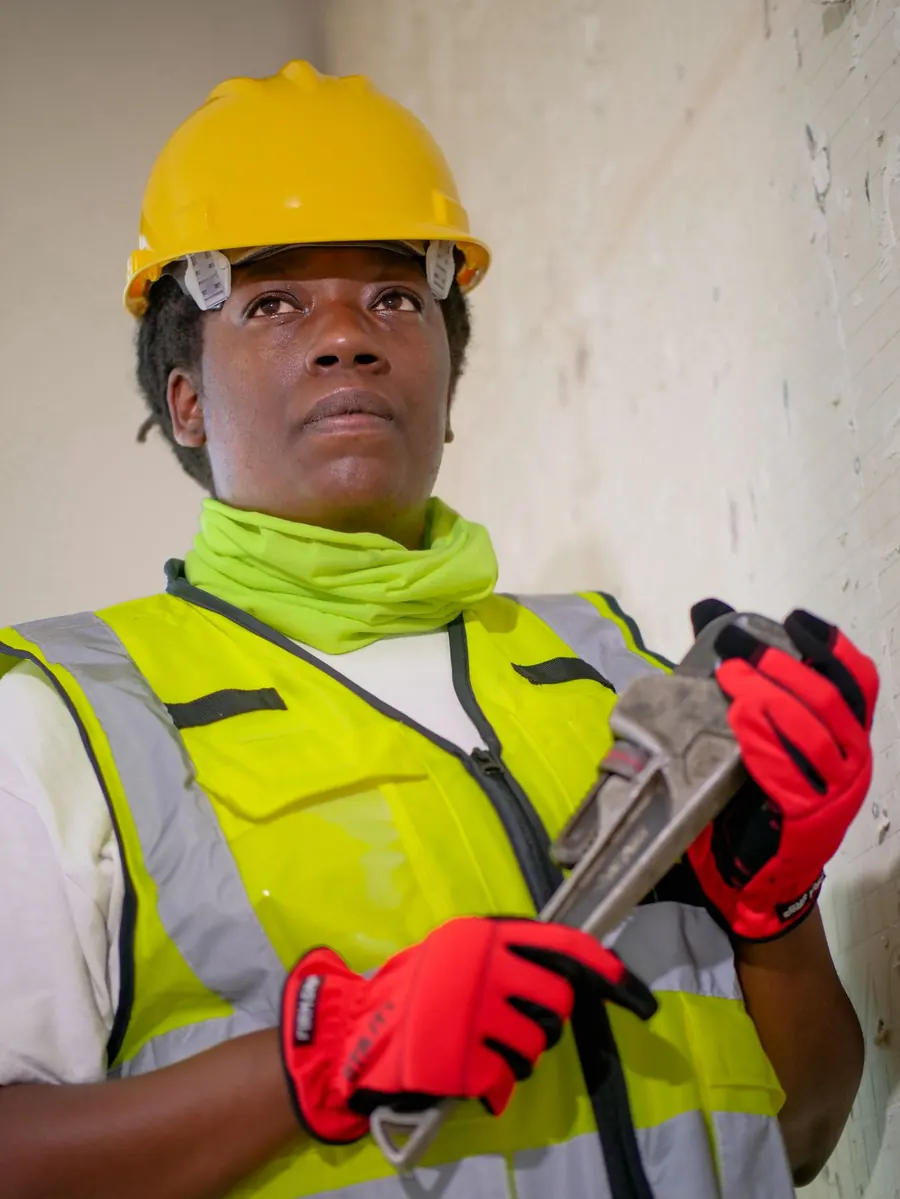
The provider first verifies water loss with a meter check or pressure test, isolating hot and cold sides where possible so the search starts on the right line.
Using a pipe locator and the home's fixture layout, the provider maps where the line runs under the slab.
Ground microphones are moved along the route. Escaping pressurised water is loudest directly over the break, and that peak is compared from several positions.
The strongest point is marked on the floor, and the provider explains the findings and the repair options that fit that location.
Cost depends on the size of the home, how many lines need to be isolated, how accessible the slab areas are, and whether the leak is on a hot or cold line. Detection is normally priced separately from repair, because the right repair — spot repair, reroute or lining — is only known once the leak is marked. Ask the provider for the detection fee and what it includes before the visit.
For context on how detection and repair pricing fit together across the whole job, see the overview of slab leak detection services in Plant City on our homepage.
Call as soon as the meter test or a rising bill suggests water is escaping somewhere you cannot see. A pressurised slab leak runs continuously, day and night, so waiting rarely makes the problem smaller — it usually means more water under the slab and more flooring affected.
Yes. Acoustic listening is a non-invasive first step: it locates the leak through the slab by sound. Concrete is only opened afterwards, and only if a spot repair at that marked point is the option chosen.
It works best on pressurised supply lines. Very small leaks, leaks in drain lines, or leaks under thick or heavily reinforced areas can be quiet, which is why providers often combine listening with pressure testing or thermal imaging.
Turn off all water-using appliances, note whether your meter moves with everything off, and clear access to the water meter, water heater and the room where signs are strongest. That saves time on site.
No. Detection confirms and marks the leak. Repair is a separate step and a separate price, and the provider should explain both before any work starts.
Thermal imaging scanning uses an infrared camera to read surface temperatures across floors and walls.
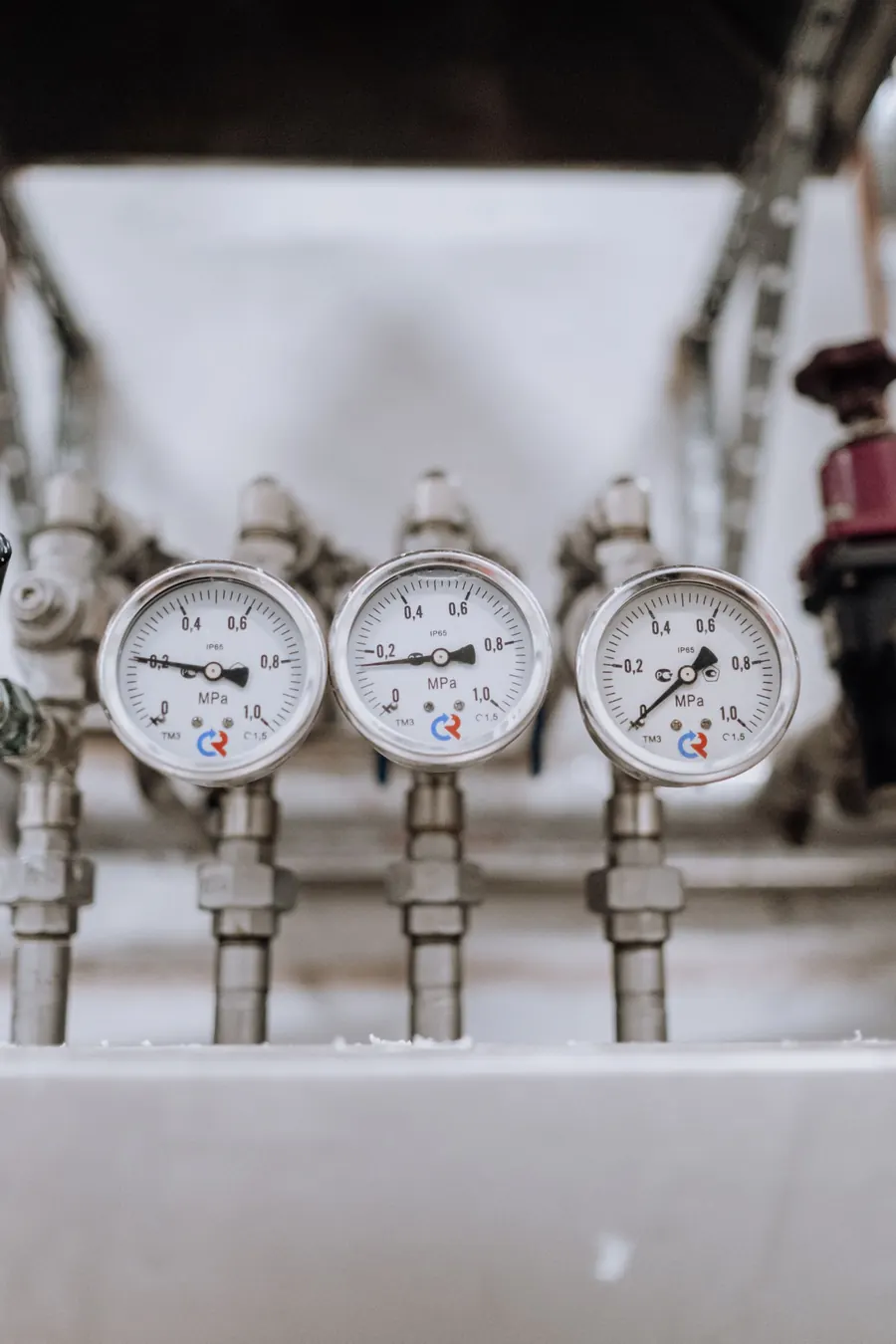
Hydrostatic pressure testing answers the most basic leak question: is this system actually losing water? A section of plumbing is isolated, filled and pressurised, and a gauge is watched.
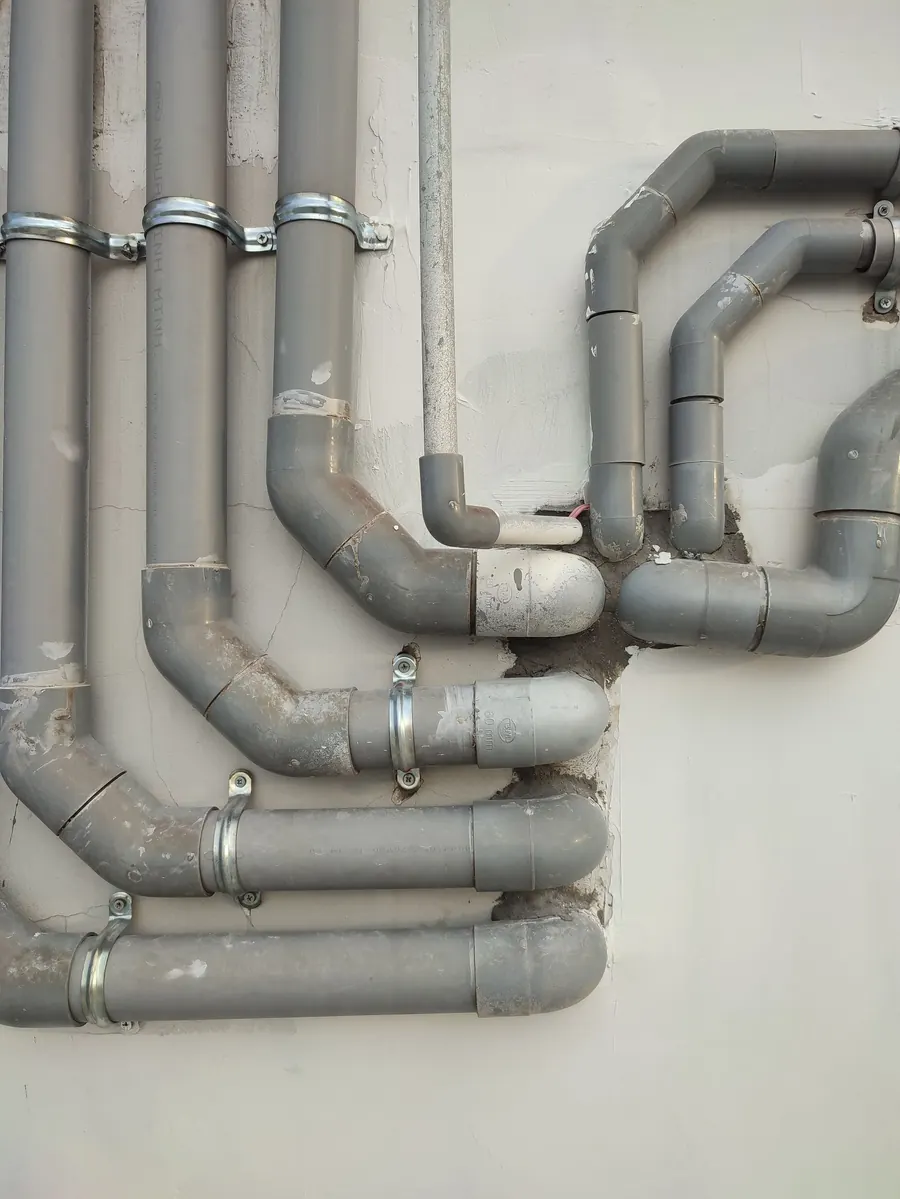
Pipe and utility locating maps where lines actually run underground or under a slab, before anyone digs, cuts or repairs.
One call connects you with an independent local provider who can confirm the leak, pinpoint it, and explain your repair options before any work begins.
Call Now — 123456789