
Acoustic Slab Leak Detection
Acoustic slab leak detection finds leaks under a concrete slab by listening for them.
Home › Services › Thermal Imaging Scanning
Thermal imaging scanning uses an infrared camera to read surface temperatures across floors and walls. A leaking hot-water line warms the slab and flooring above it in a pattern the camera can see, and hidden moisture often shows as a cooler area — so a provider can narrow down where a leak is, and how far water has spread, without cutting anything open.
This service is one part of how providers deliver professional slab leak detection in Plant City: it answers a specific question about your plumbing, and its result decides what — if anything — needs to happen next. If you are ready to book, call 123456789 and mention the signs you have noticed.
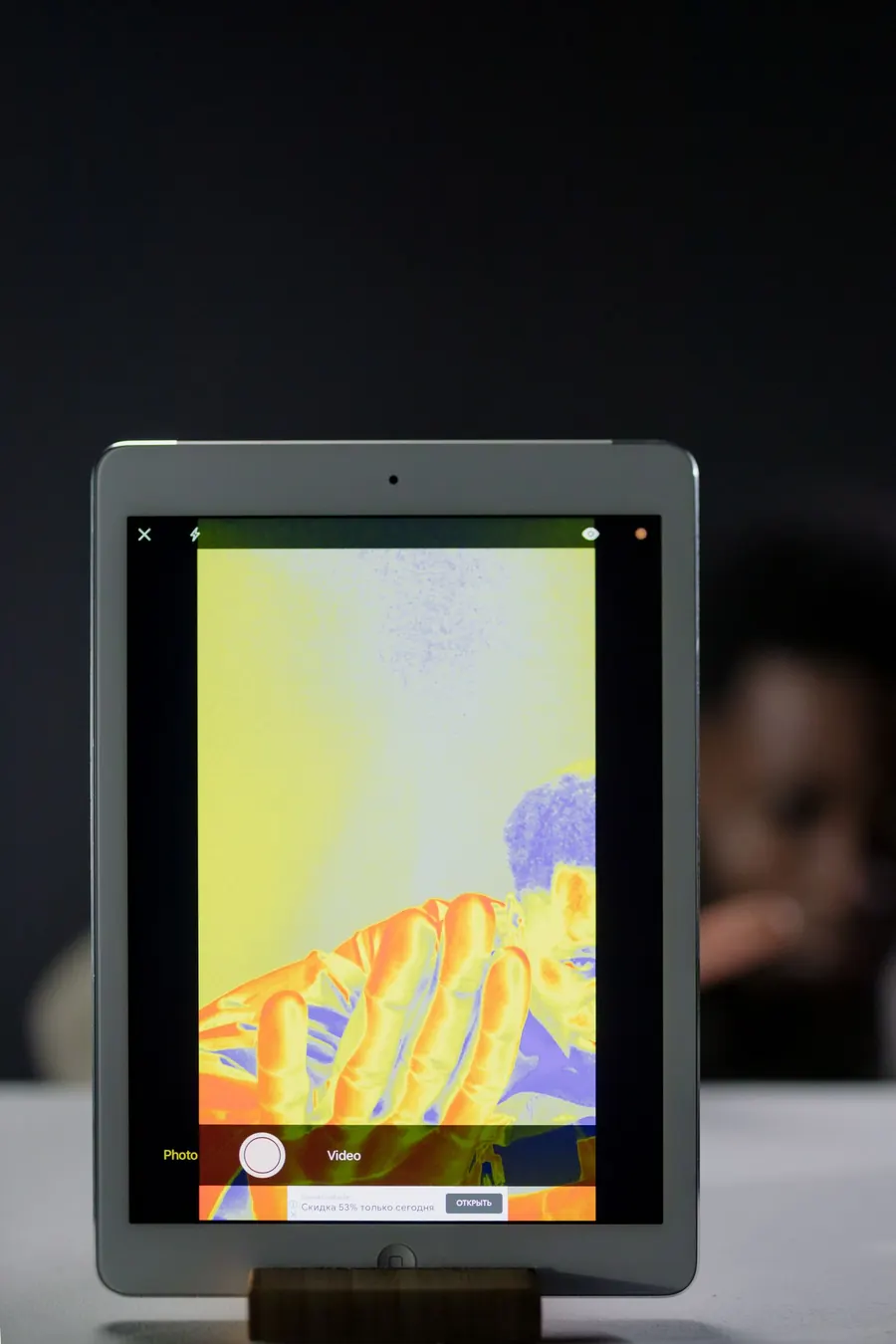
The provider typically runs the hot water so pressurised hot lines are warm and any leak plume is visible to the camera.
Floors and walls are scanned methodically, starting where signs are strongest and following anomalies outward.
A warm trail that follows a pipe route means something different from a broad cool patch of moisture; the provider explains what the pattern suggests.
The most likely source area is cross-checked with another method before any location is marked for repair.
Pricing depends on the area to be scanned, whether the scan is part of a full leak detection visit, and how many rooms show signs. A thermal scan is often most cost-effective combined with acoustic detection in a single visit, rather than booked alone. Confirm with the provider what the visit includes.
For context on how detection and repair pricing fit together across the whole job, see the overview of slab leak detection services in Plant City on our homepage.
Call when you notice a warm floor spot, spreading damp, or a bill increase that points to a hot-water leak. Thermal patterns are clearest while the leak is active, so scanning sooner gives the provider a cleaner picture.
Not literally. The camera reads surface temperatures. A hot-water leak warms the slab and floor above it in a detectable pattern, and that pattern — read together with the pipe layout — is what locates the problem.
It can help: leaking cold water and the moisture it leaves behind often appear cooler than surrounding dry material. Cold leaks are usually confirmed with acoustic listening or pressure testing as well.
A scan narrows the search area and shows spread. For an exact cut point, providers normally verify with acoustic detection or a pressure test first.
Move furniture and rugs away from the suspect floor area if you can, and make sure the water heater is accessible. The provider handles the rest.
Acoustic slab leak detection finds leaks under a concrete slab by listening for them.
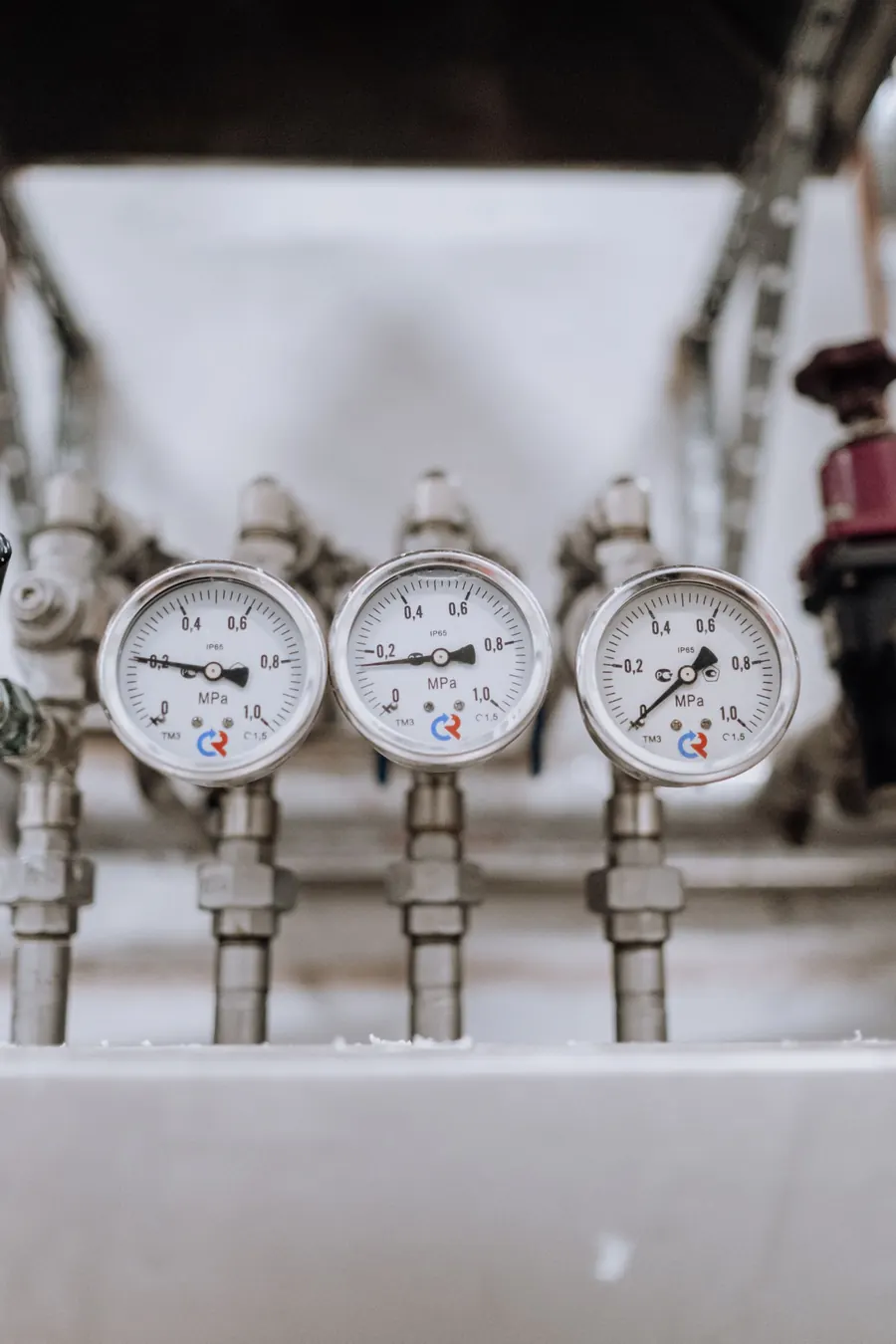
Hydrostatic pressure testing answers the most basic leak question: is this system actually losing water? A section of plumbing is isolated, filled and pressurised, and a gauge is watched.

Insurance leak documentation is the written and photographic record of a leak investigation: what was tested, what the instruments showed, where the leak was marked, and what caused the damage, in a form you can hand to your insurer.
One call connects you with an independent local provider who can confirm the leak, pinpoint it, and explain your repair options before any work begins.
Call Now — 123456789