
Acoustic Slab Leak Detection
Acoustic slab leak detection finds leaks under a concrete slab by listening for them.
Short answer: if your water bill has jumped, your meter moves when everything is off, or part of your floor feels warm or damp, you may have a leak under your concrete slab. One call connects you with an independent local provider who can confirm the leak and pinpoint it — acoustically, thermally and by pressure testing — before any concrete is opened.
Plant City Slab Leak Detection is a free referral service for homeowners. We connect your call with a local provider; we do not perform the work ourselves.

Slab leak detection is the process of confirming that a plumbing system is losing water and pinpointing exactly where, without tearing into floors. Most homes in Plant City are built slab-on-grade: a concrete foundation poured over sandy soil, with water supply lines running beneath or through it. When one of those lines fails, the escaping water rarely appears where the break is. It spreads through soil and flooring first, so by the time you see a symptom, the leak may have been running for weeks.
That is why guessing is expensive. A professional visit for acoustic slab leak detection can mark a break precisely enough that a repair crew opens one small, planned section of floor — or avoids the slab entirely with a direct pipe reroute — instead of cutting exploratory holes. Detection comes first; repair decisions come second, with real information.
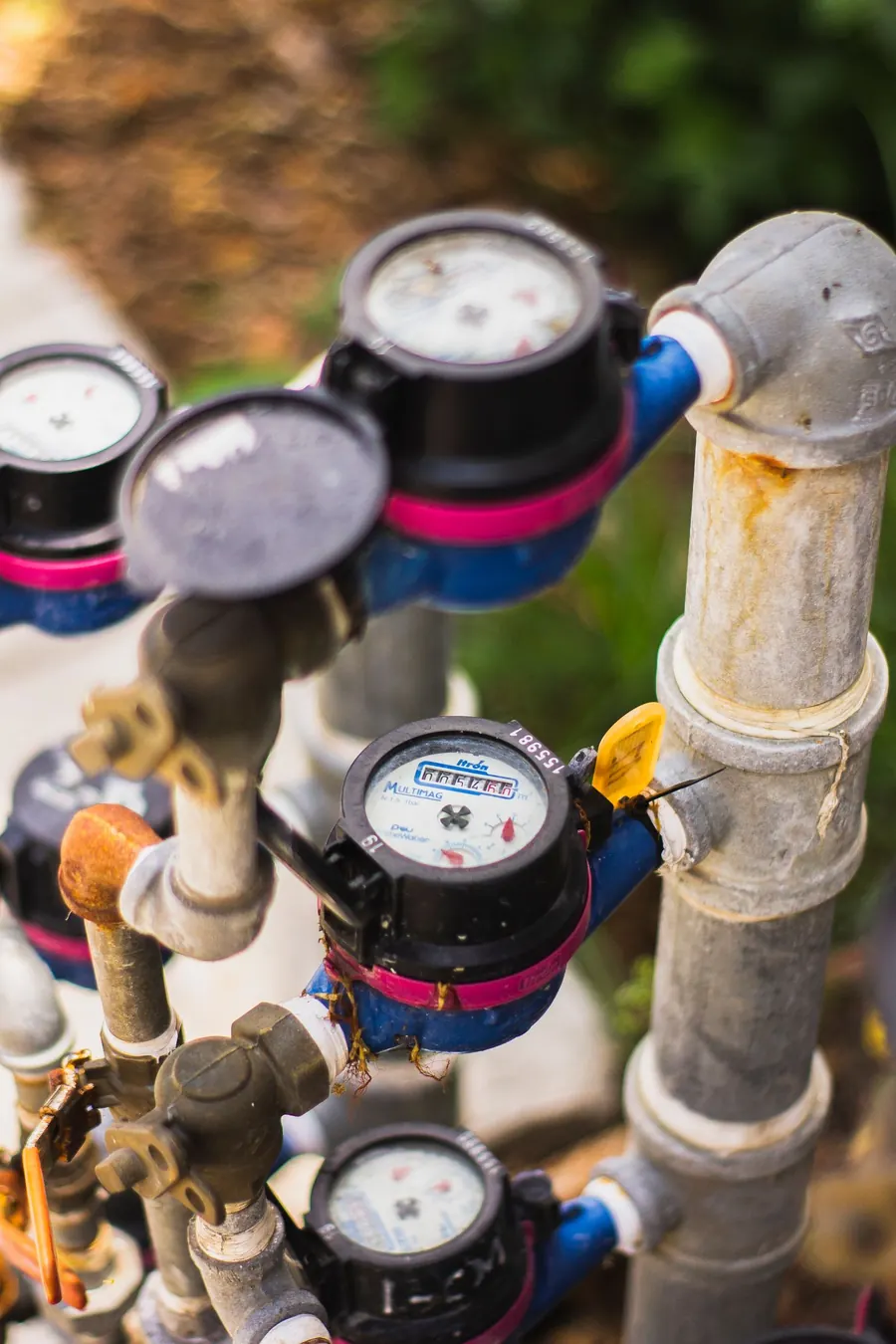
Turn off every faucet, appliance and sprinkler. Lift the meter lid and watch the small flow indicator or triangle. If it moves, you have a leak somewhere. Then close the main house valve: if the meter stops, the leak is in the house system; if it keeps moving, it is likely in the underground main line or irrigation. Tell the provider your result when you call — it genuinely speeds up the visit.
Every investigation starts with confirmation and locating, because the right repair depends on what is actually found. A hot-water leak under a kitchen slab, a failing drain line and a yard-line leak all look similar on a water bill — the services below are how a provider tells them apart and fixes the right one. Homeowners comparing options for hydrostatic pressure testing or a sewer line camera inspection can read what each involves before calling.
Acoustic slab leak detection finds leaks under a concrete slab by listening for them.
Thermal imaging scanning uses an infrared camera to read surface temperatures across floors and walls.
Hydrostatic pressure testing answers the most basic leak question: is this system actually losing water? A section of plumbing is isolated, filled and pressurised, and a gauge is watched.
A sewer line camera inspection sends a small waterproof camera through the drain line on a flexible cable, showing the inside of the pipe on a monitor in real time.
Pipe and utility locating maps where lines actually run underground or under a slab, before anyone digs, cuts or repairs.
Direct pipe rerouting fixes a slab leak by abandoning the leaking section of pipe under the concrete and running a new line through a more accessible route — typically through walls, the attic or around the slab.
Targeted slab excavation is the direct repair for a slab leak: once detection has marked the exact break, a provider opens a small, planned section of concrete at that spot, repairs or replaces the damaged piece of pipe, tests it, and backfills and patches the slab.
Trenchless pipe lining repairs a damaged drain or sewer line from the inside.
Whole-home repiping replaces the water supply pipes throughout a house with new lines, rather than repairing them one leak at a time.
Insurance leak documentation is the written and photographic record of a leak investigation: what was tested, what the instruments showed, where the leak was marked, and what caused the damage, in a form you can hand to your insurer.
A meter check and pressure test prove the system is losing water and isolate which part — hot side, cold side, main line or drains. This step rules out running toilets and irrigation leaks before any searching begins. See how pressure testing works.
An electronic locator follows the line under the slab or across the yard, so the search follows the pipe instead of roaming the floor. This is the core of pipe and utility locating.
Ground microphones listen for the hiss of escaping pressurised water along the route, while an infrared camera shows the warm plume of a hot-water leak. The two methods cross-check each other — read more about thermal imaging scanning.
The leak point is marked on the floor. The provider explains which line failed, why, and the repair choices that fit — a targeted slab excavation for a spot repair, a reroute, lining or repiping — with pricing for each before you commit.
Call 123456789 and describe what you're seeing — a bill spike, a warm floor, a moving meter. The more specific the symptom, the better the provider can prepare.
Your call is connected with an independent local provider serving Plant City who handles slab leak detection. Availability varies, and the provider sets their own scheduling and pricing.
The provider tests, locates and marks the leak, then explains repair options. Any licence, certification, guarantee or price quoted is the provider's own — confirm it with them directly.
Some providers we connect customers with are licensed plumbing professionals with extensive industry experience, and provider networks may include companies that offer documented detection reports useful for insurance files — see insurance leak documentation. Specific credentials vary by provider, which is why we attribute them to providers, never to this referral website.
We do not publish a single price, because a quiet hot-line leak in a small home is a different job from isolating every line in a large one. What actually drives the cost:
| Factor | Why it matters |
|---|---|
| Number of lines to isolate | Hot, cold, main and drain sections are tested separately; more sections mean more time. |
| Methods required | Some leaks are confirmed by pressure testing alone; quiet or diffuse leaks also need acoustic and thermal work. |
| Home size & access | Meter, water heater, cleanout and slab access all affect how fast the work goes. |
| Detection vs. repair | Detection is priced on its own. Repair — spot repair, reroute, lining or repiping — is quoted after the leak is marked, when it can be priced honestly. |
When a home's lines are failing in several places, a provider may raise whole-home repiping as the long-term comparison. A trustworthy provider will price the small fix and the big fix side by side and let the pipe's condition make the argument.
Calls are connected with providers serving Plant City and the communities around it, including Walden Lake, Plant City Historic District, Plant City Heights, North Park Isle, Farm at Varrea, Park East, Holloway Landing, Knights, Midway, Bealsville. Each area page explains the local housing context — from the dozens of neighbourhoods inside Walden Lake to the older homes of the Historic District and the unincorporated communities of Knights, Midway and Bealsville on county land outside the city limits — and which detection services are most often relevant there.
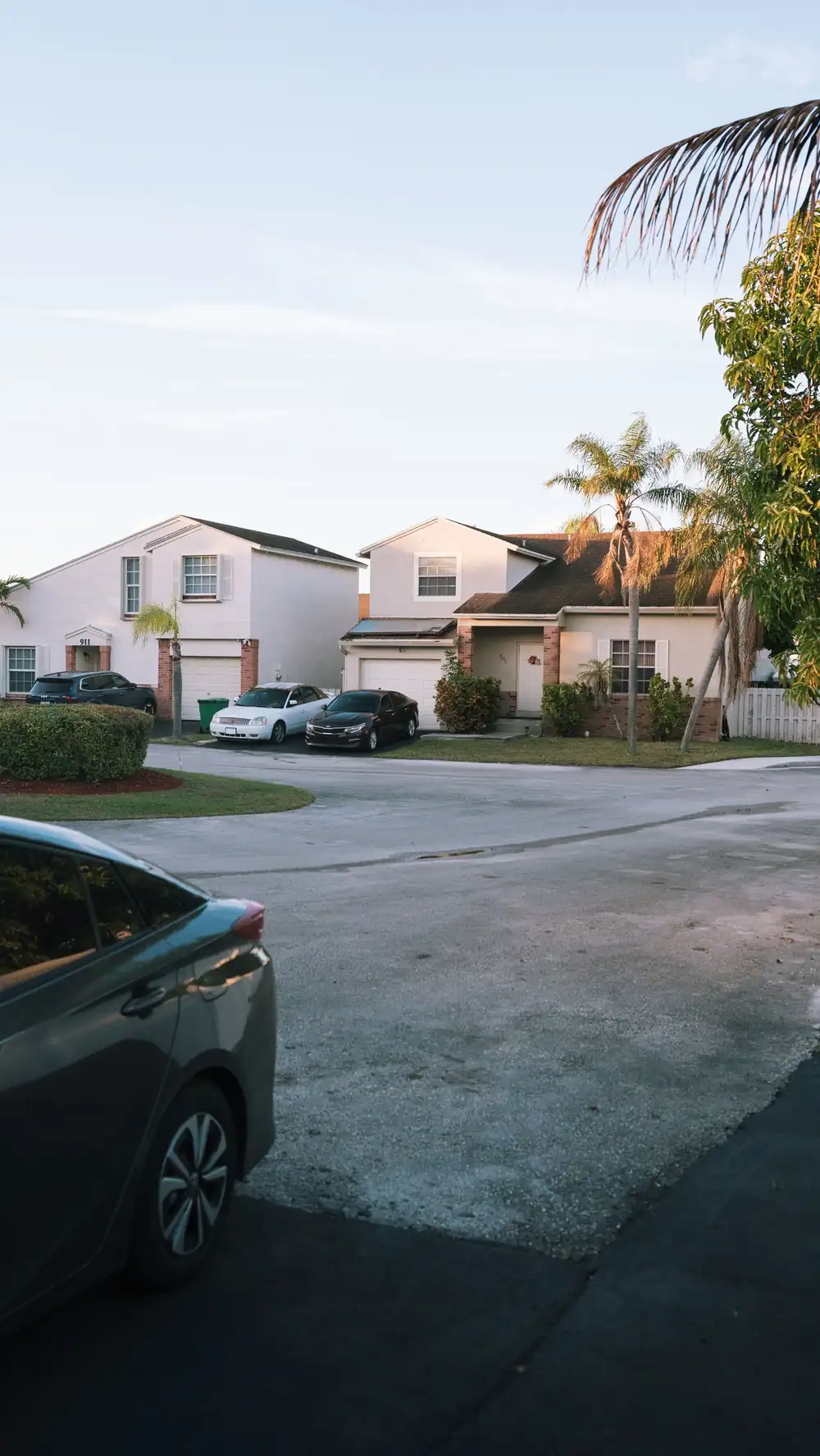
A slab leak is a leak in a water line that runs beneath your home's concrete foundation. Because the pipe is hidden under the slab, the leak usually shows up indirectly — through a higher water bill, a water meter that moves when everything is off, a warm or damp spot on the floor, or the sound of running water when no fixture is in use.
Do a two-minute meter test: turn off every tap, appliance and sprinkler, then watch the meter's leak indicator. If it moves, water is escaping somewhere. Other signs include a bill that rose without a usage change, warm patches on the floor, damp or lifting flooring, low pressure, and musty odours with no visible source.
Yes. Detection is non-invasive: providers confirm the leak with meter and pressure testing, trace the line with a locator, and pinpoint the break using acoustic listening and thermal imaging. Concrete is only opened afterwards, and only if a targeted spot repair is the option you choose.
The main options are a targeted spot repair through the slab at the marked point, rerouting a new line around the slab and abandoning the leaking section, lining for damaged drain lines, or — when the whole system is failing — repiping. The right choice depends on the line's age, material, condition and leak history, and should be explained with prices before work begins.
Detection pricing depends on the size of the home, the number of lines to isolate and the methods needed, and it is normally separate from repair pricing. Any figure quoted before testing is a guess, so ask the provider what the detection visit includes and what each repair option would cost once the leak is marked.
No. Plant City Slab Leak Detection is a referral service. Your call is connected with an independent local provider who performs the detection and any repair. Licences, certifications, pricing and guarantees belong to that provider and should be confirmed with them directly.
Yes — a sudden unexplained rise is one of the most common first signs of a hidden leak. Run the meter test first; if the meter moves with everything off, call so the leak can be confirmed and located before it damages flooring or the slab.
One call connects you with an independent local provider who can confirm the leak, pinpoint it, and explain your repair options before any work begins.
Call Now — 123456789