
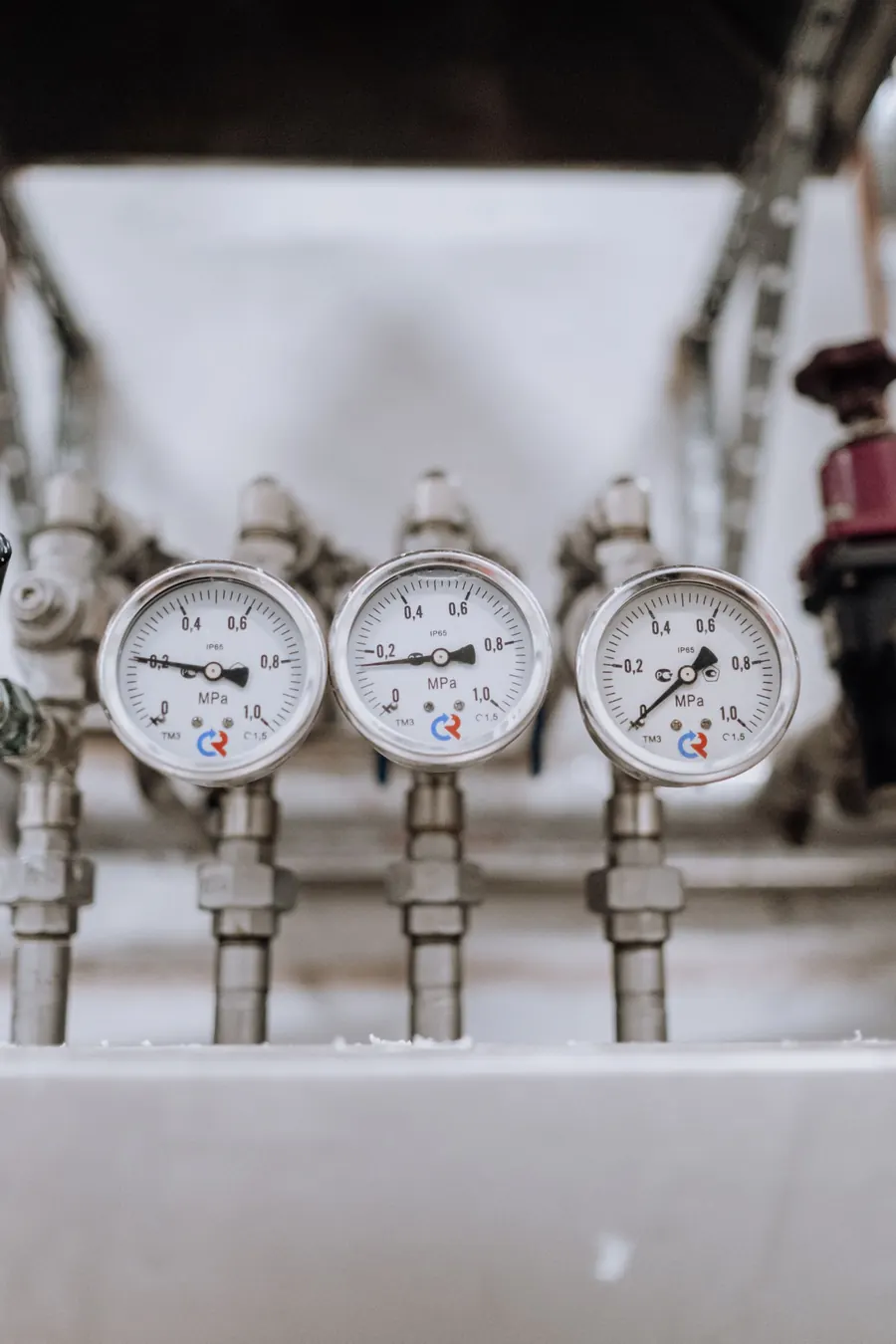
Hydrostatic Pressure Testing
Hydrostatic pressure testing answers the most basic leak question: is this system actually losing water? A section of plumbing is isolated, filled and pressurised, and a gauge is watched.
Home › Services › Insurance Leak Documentation
Insurance leak documentation is the written and photographic record of a leak investigation: what was tested, what the instruments showed, where the leak was marked, and what caused the damage, in a form you can hand to your insurer. Insurers decide claims on evidence, and a proper detection report is very different from a verbal opinion that 'there is a leak somewhere'.
This service is one part of how providers deliver slab leak detection services in the Plant City area: it answers a specific question about your plumbing, and its result decides what — if anything — needs to happen next. If you are ready to book, call 123456789 and mention the signs you have noticed.
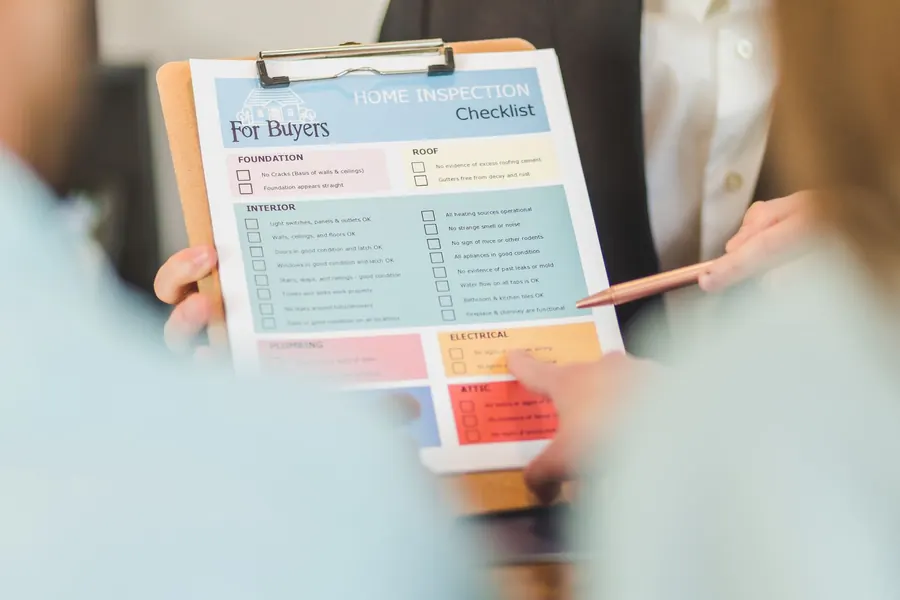
Documentation starts with a real detection visit: testing, locating and marking, done the same way whether or not a claim is involved.
Readings, marked locations, patterns and damage are photographed and noted as the work happens, not reconstructed later.
Findings are summarised in a clear written report identifying methods, results and the marked location.
You receive the documentation to pass to your insurer or adjuster, and to keep with the property records.
Documentation is normally part of, or a modest addition to, a detection visit — the underlying testing and locating work is the same. Whether any of it is recoverable under your policy depends entirely on your own coverage. Confirm with the provider what written report and photographs are included in the visit price.
For context on how detection and repair pricing fit together across the whole job, see the overview of slab leak detection services in Plant City on our homepage.
Tell the provider a claim may be involved before the visit, not after. Documentation is strongest when readings and photographs are captured during the investigation itself.
No — and be wary of anyone who promises that. Claim decisions rest with your insurer under your policy. Good documentation gives them clear evidence to decide on; it does not decide for them.
The tests performed and their results, the methods used to locate the leak, the marked location, photographs, and a plain-language summary of findings and visible damage.
If water is actively damaging the home, stop the water and get detection booked; notify your insurer promptly as your policy requires. Mention the possible claim when booking so the visit is documented from the start.
A report records what was observed and when it was observed. How long a leak ran before discovery is partly inference, and a careful report distinguishes observation from opinion — which is what adjusters prefer.
Hydrostatic pressure testing answers the most basic leak question: is this system actually losing water? A section of plumbing is isolated, filled and pressurised, and a gauge is watched.
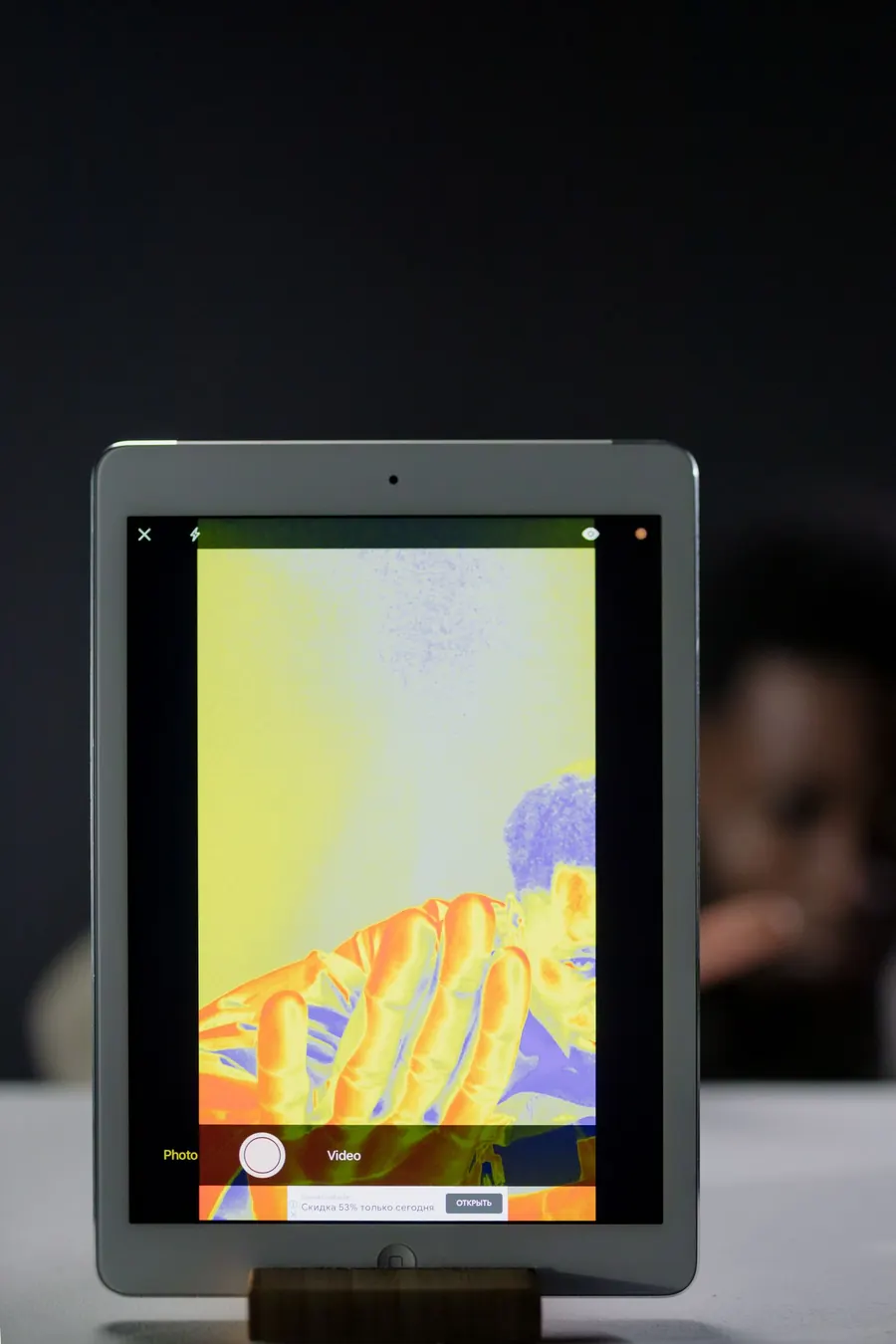
Thermal imaging scanning uses an infrared camera to read surface temperatures across floors and walls.
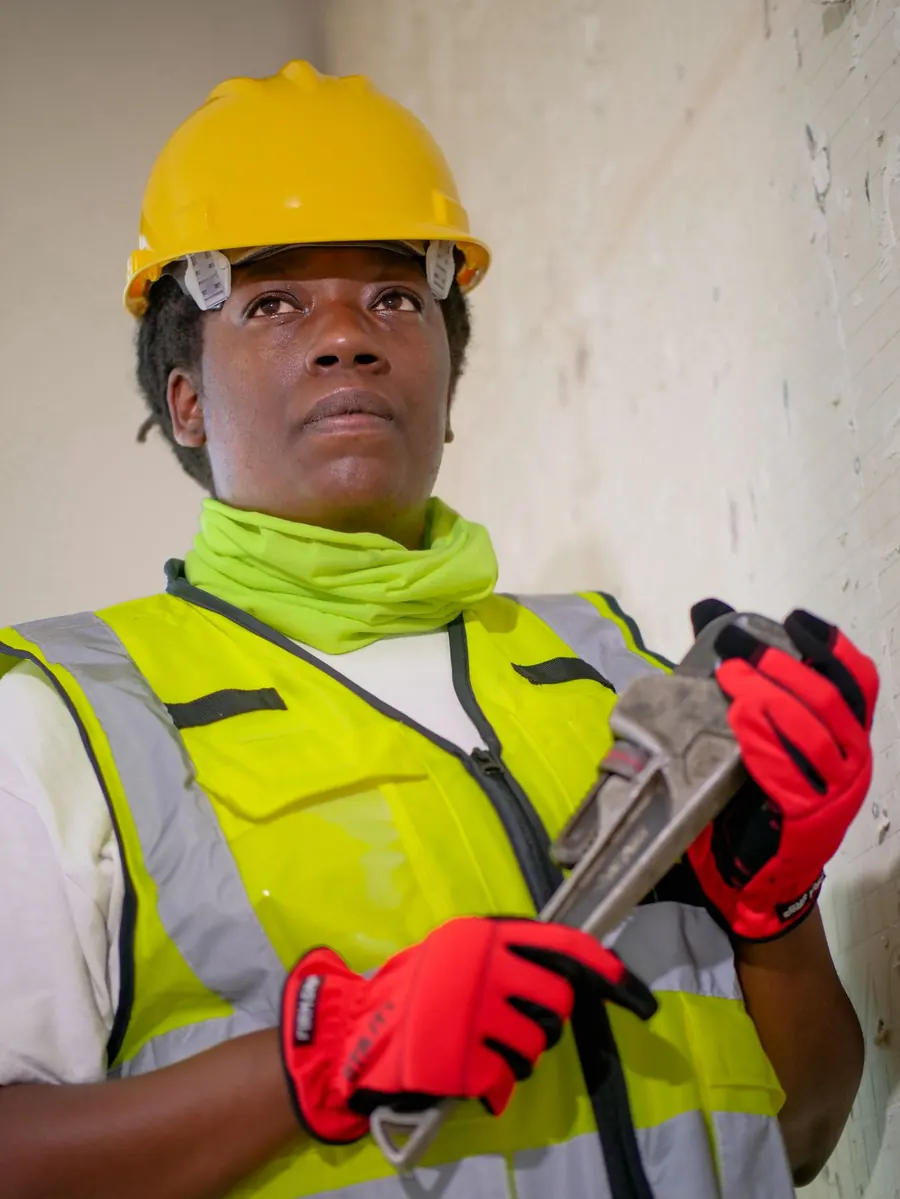
Acoustic slab leak detection finds leaks under a concrete slab by listening for them.
One call connects you with an independent local provider who can confirm the leak, pinpoint it, and explain your repair options before any work begins.
Call Now — 123456789