
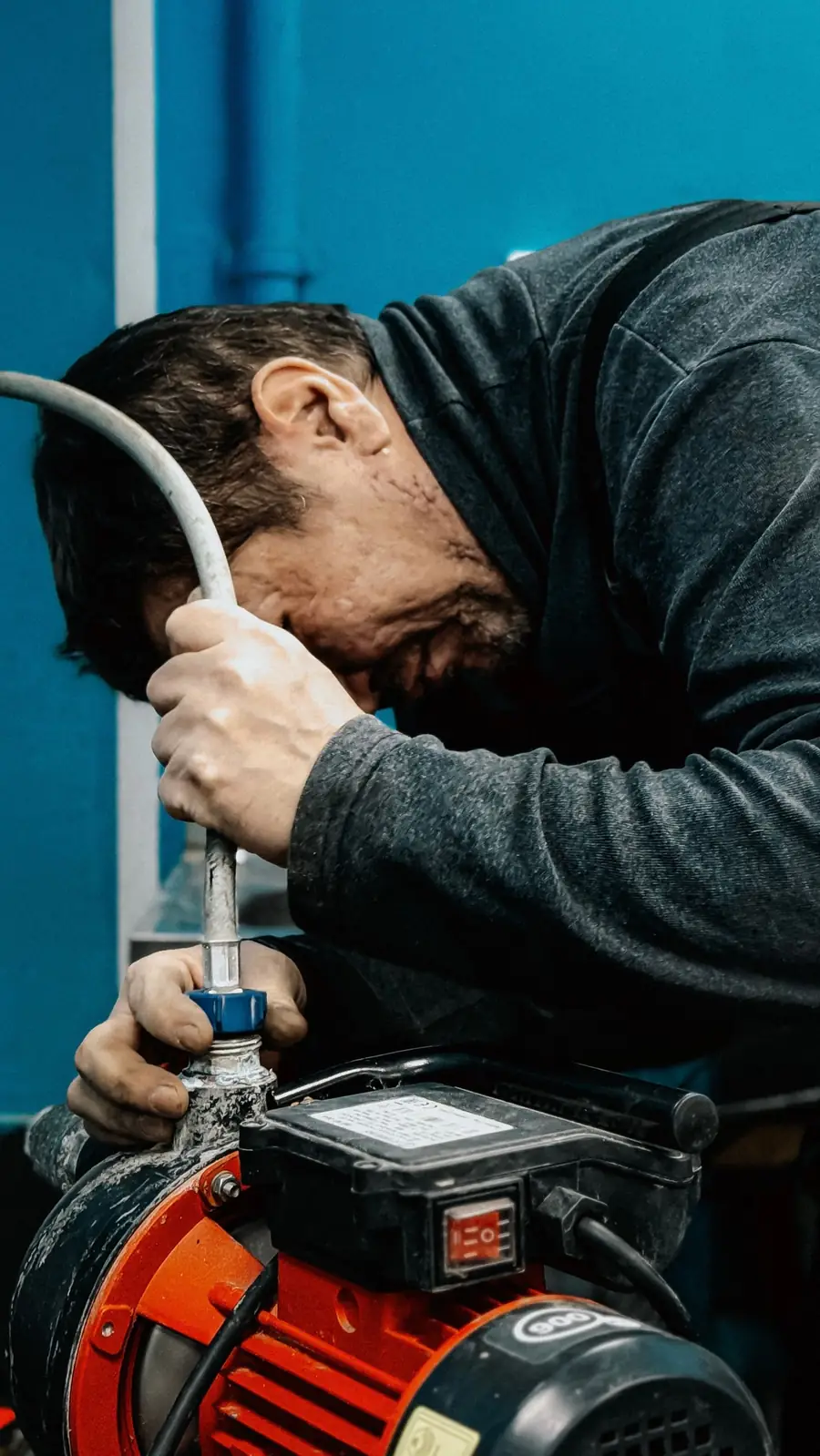
Direct Pipe Rerouting
Direct pipe rerouting fixes a slab leak by abandoning the leaking section of pipe under the concrete and running a new line through a more accessible route — typically through walls, the attic or around the slab.
Home › Services › Targeted Slab Excavation
Targeted slab excavation is the direct repair for a slab leak: once detection has marked the exact break, a provider opens a small, planned section of concrete at that spot, repairs or replaces the damaged piece of pipe, tests it, and backfills and patches the slab. The word that matters is targeted — the opening is based on a marked location, not exploratory demolition.
This service is one part of how providers deliver professional slab leak detection in Plant City: it answers a specific question about your plumbing, and its result decides what — if anything — needs to happen next. If you are ready to book, call 123456789 and mention the signs you have noticed.
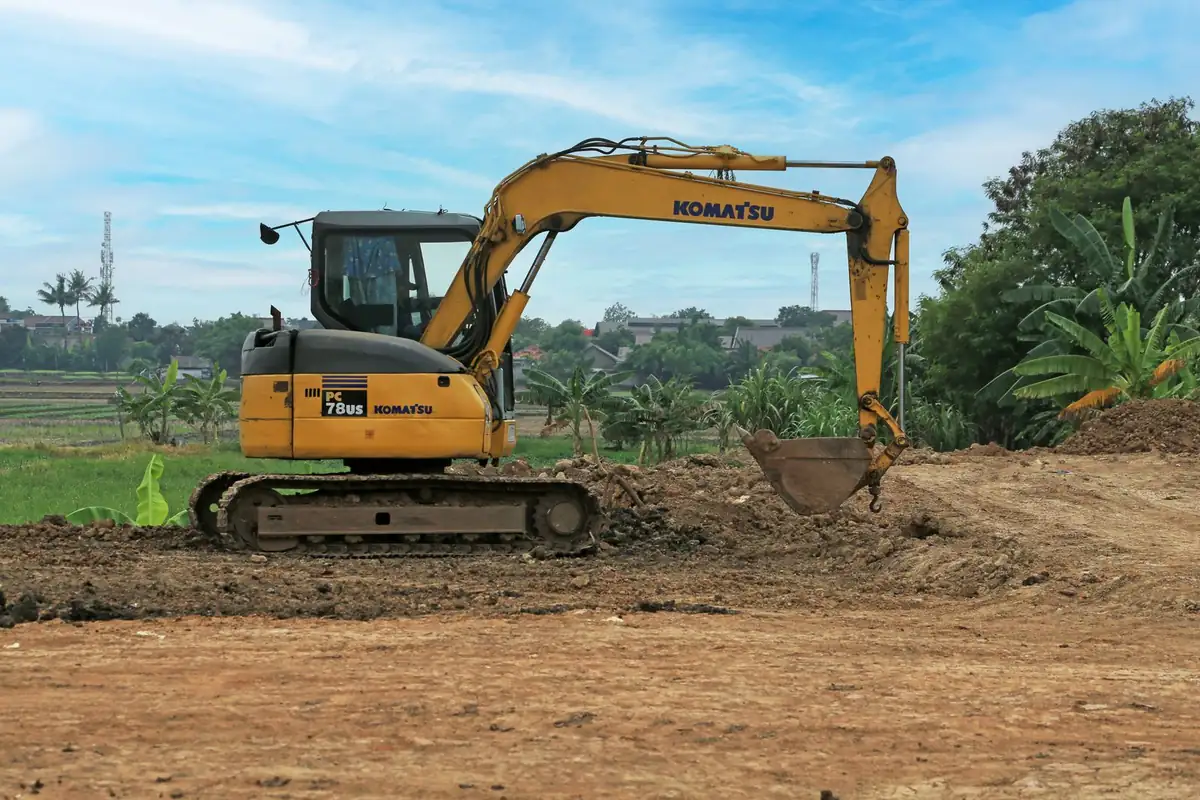
Everything starts from the detection report: the marked point, the line involved and what the failure appears to be.
Flooring and concrete at the marked point are opened carefully, and soil is excavated to expose the pipe.
The damaged section is cut out and replaced or repaired, then the line is pressure-tested with the repair still visible.
Only after the test passes is the excavation backfilled and the concrete patched, ready for the floor finish to be restored.
Cost depends on the depth of the pipe, the floor finish above it, how much concrete must be cut, and whether restoring the finish is included or handled separately. It should always be quoted after detection — a price given before the leak is located is a guess. Ask exactly what the quote covers, including concrete patching and flooring.
For context on how detection and repair pricing fit together across the whole job, see the overview of slab leak detection services in Plant City on our homepage.
Excavation makes sense after detection, when the leak is a single point in a line worth keeping. If you are ever quoted excavation without detection first, ask why — opening concrete on a guess is how small jobs become big ones.
As small as the repair reasonably allows, because it is centred on a marked leak. The provider should estimate the opening size from the detection findings before cutting begins.
Yes. Detection is what makes the excavation targeted. Without a marked location, crews may open several spots looking for the break, multiplying cost and damage.
The concrete patch is normally part of the plumbing work; restoring finished flooring may be done by the provider or a flooring tradesperson. Confirm the split of responsibilities in the quote.
That happens, and it is useful information: if the exposed line is deteriorated beyond the one break, the provider should pause and discuss rerouting or repiping before closing the slab over a failing line.
Direct pipe rerouting fixes a slab leak by abandoning the leaking section of pipe under the concrete and running a new line through a more accessible route — typically through walls, the attic or around the slab.
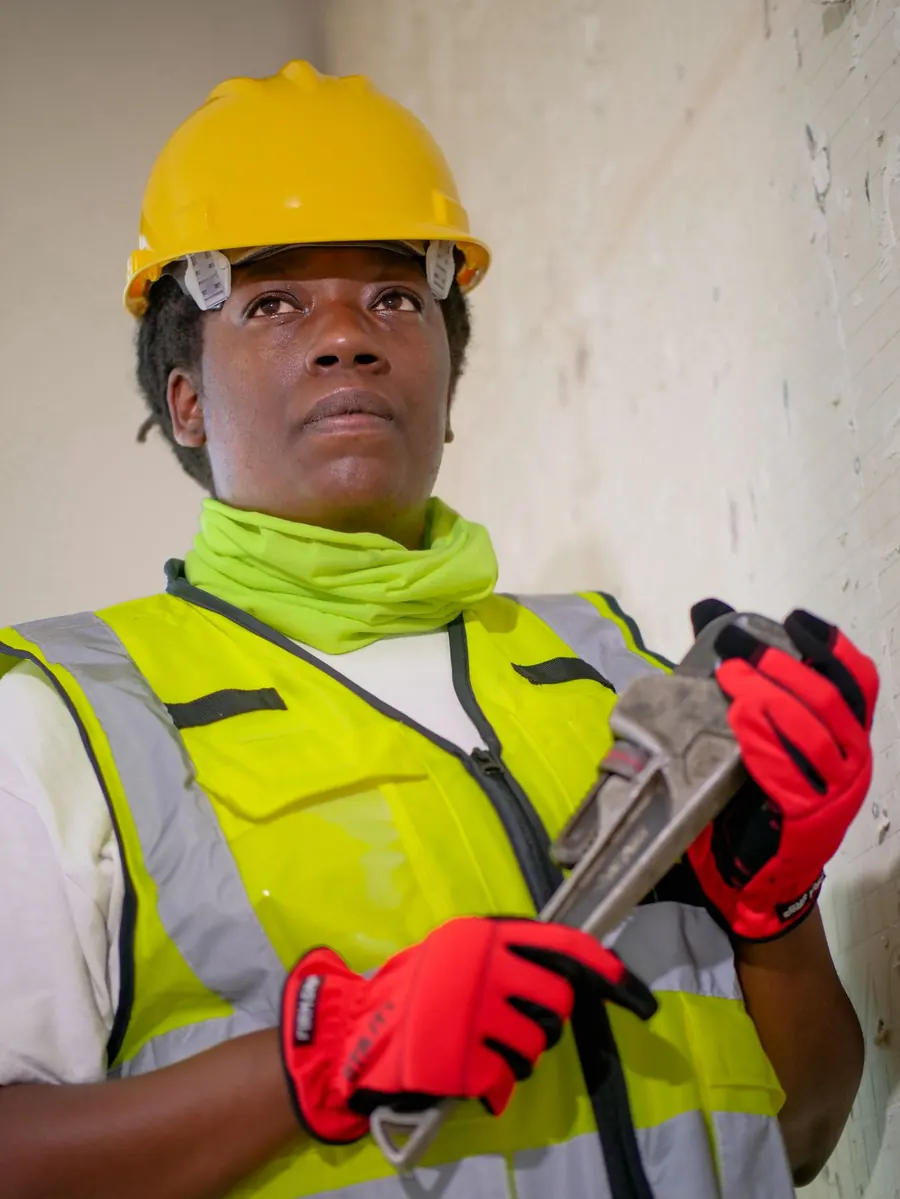
Acoustic slab leak detection finds leaks under a concrete slab by listening for them.
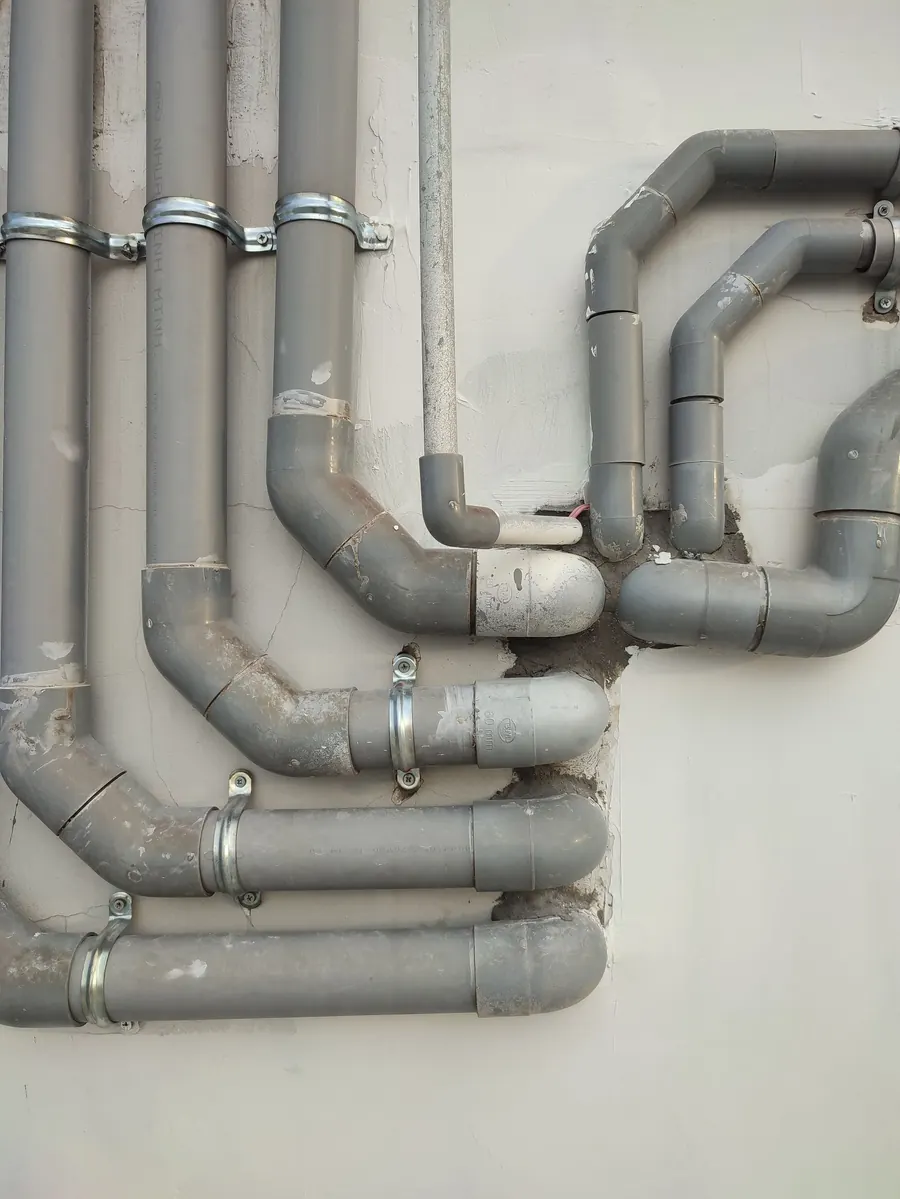
Pipe and utility locating maps where lines actually run underground or under a slab, before anyone digs, cuts or repairs.
One call connects you with an independent local provider who can confirm the leak, pinpoint it, and explain your repair options before any work begins.
Call Now — 123456789